One Weird Skill, Six Figures: The Americans Who Turned Obsession Into a Living
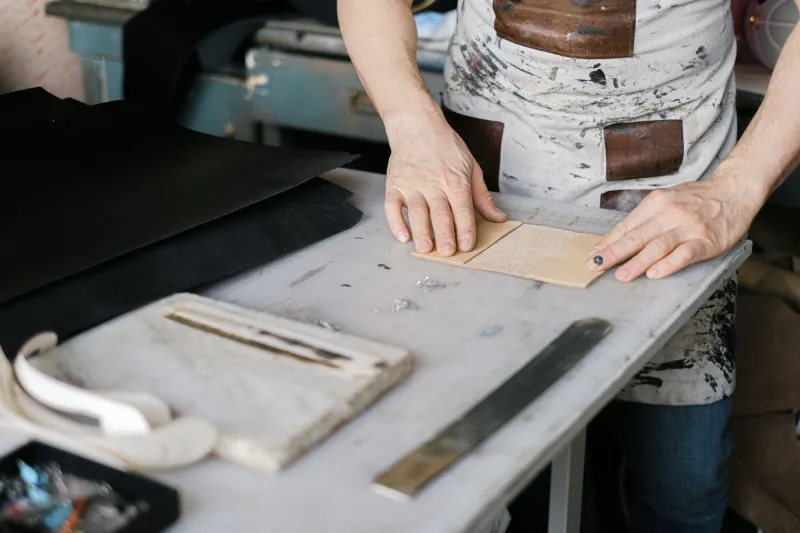
Somewhere in a converted garage outside Columbus, Ohio, a man named David spends his days elbow-deep in the mechanics of vintage fountain pens. Not pens in general — fountain pens, specifically. He cleans sacs, reseats nibs, hunts down replacement parts machined to specs that haven't been manufactured since the Eisenhower administration. He charges anywhere from $40 to $300 per restoration, depending on the pen. His waitlist is four months long.
He is not, by any conventional measure, doing something that should work. And yet it absolutely does.
The Niche Is the Point
Ask most Americans what makes a sustainable business and you'll hear the same stuff: broad appeal, scalable product, wide customer base. The hyperspecialized artisans quietly thriving across the country have essentially ignored all of that — and built something arguably more durable in the process.
These are people who picked one extraordinarily specific thing, got better at it than almost anyone alive, and discovered that the internet had been quietly assembling their customer base for years without them even asking. The fountain pen community alone has forums, subreddits, YouTube channels, and conventions. When David started posting restoration videos online, he wasn't marketing — he was just nerding out. The orders followed naturally.
That pattern repeats itself across wildly different crafts. In Portland, a woman named Teri has built a full-time income restoring and customizing vintage typewriters, including a specialty in portable models from the 1950s and '60s. In Albuquerque, a former mechanic named Ray does nothing but restore antique cast iron cookware — stripping, seasoning, and resurfacing pieces that most people would have thrown away. His pots and pans sell for two to eight times what he pays for them at estate sales, and he can't keep inventory in stock.
Why "Too Specific" Is Actually a Superpower
The conventional wisdom says niching down is risky. The hyperspecialized artisan community would argue the opposite — that specificity is exactly what creates loyalty, word-of-mouth, and the kind of customer who doesn't haggle on price.
When you're the only person in a 500-mile radius who truly understands a particular craft, you stop competing on price entirely. You compete on expertise. And expertise, once established, compounds.
Take competitive eating coaching, which sounds like a punchline but isn't. There are actual trainers in this space — people who work with aspiring competitive eaters on stomach expansion techniques, food strategy, and mental endurance. One such coach, based in the Chicago area, charges hourly rates comparable to a personal fitness trainer and has worked with competitors who've gone on to qualify for national events. The Major League Eating circuit has prize money that can reach tens of thousands of dollars per event. Suddenly the coaching math makes a lot more sense.
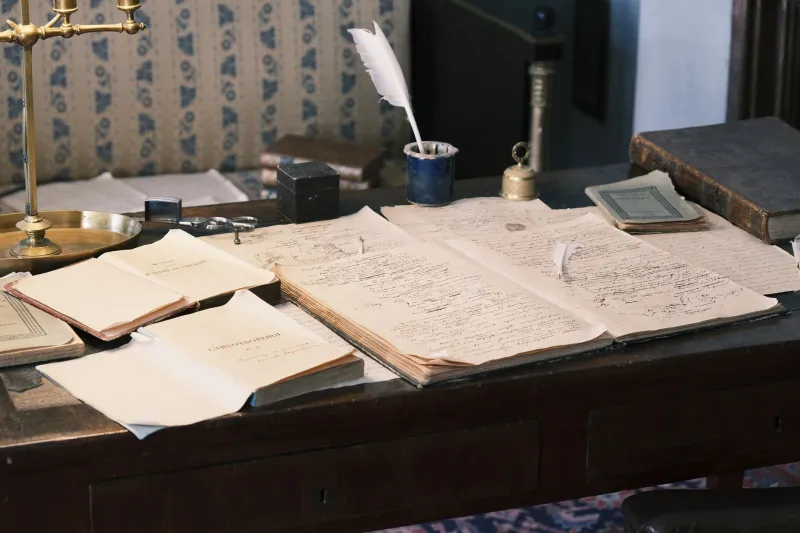
Or consider professional calligraphy — not wedding invitations, but the ultra-niche corner of the craft dedicated to historical scripts. Medieval manuscripts, copperplate engravings, 18th-century legal documents. There are calligraphers in the US who specialize specifically in reproducing period-accurate documents for museums, film productions, and private collectors. One calligrapher in Virginia charges upwards of $500 for a single document, and her clients include prop departments at major studios.
The Communities That Make It Possible
None of this works without community, and that's arguably the most underappreciated piece of the whole puzzle. The internet didn't just give these artisans a storefront — it gave them a tribe.
Fountain pen enthusiasts have their own conventions. Cast iron collectors have Facebook groups with hundreds of thousands of members. Competitive eating has its own media ecosystem. Every one of these micro-worlds has its own influencers, its own terminology, its own hierarchy of expertise — and crucially, its own economy.
When Ray posts a before-and-after of a restored Griswold skillet on Instagram, he's not advertising to the general public. He's speaking directly to people who already understand why that particular skillet is significant, why the restoration process matters, and why paying a premium for someone who knows what they're doing is worth it. The community pre-qualifies the customer.
This is a fundamentally different business model than anything a traditional marketing class would teach you. It's built on passion first, commerce second — and paradoxically, that ordering seems to make the commerce more sustainable, not less.
What These Artisans Actually Have in Common
Spend enough time looking at these micro-economies and some clear patterns emerge. Almost none of these craftspeople set out to build a business. They started because they were obsessed with something and couldn't stop doing it. The income came later, usually after some combination of online visibility and word-of-mouth created demand they hadn't anticipated.
Almost all of them are self-taught, or learned from an equally obsessive mentor who passed down knowledge informally. There are no degrees in fountain pen restoration. There's no accredited program for antique cast iron rehabilitation. The knowledge lives in communities, in YouTube tutorials, in old repair manuals found on eBay, in conversations at collector meetups.
And almost all of them describe their work not as a job but as the thing they'd be doing anyway, even if nobody was paying them. The income, as more than one of them put it, was almost an accident.
The Unexpected Lesson
There's something quietly radical about what these people have figured out. In an economy that constantly pushes people toward broader skills, wider appeal, and more marketable credentials, the hyperspecialized artisan is essentially running the opposite play — and winning.
The lesson isn't that everyone should restore typewriters or coach competitive eaters. It's that genuine mastery of something specific, combined with a community of people who care about that specific thing, can be worth more than a generalist skillset spread thin across a crowded market.
David, the fountain pen restorer in Ohio, put it simply when asked why he thought his business worked: "There are a lot of people out there who love these pens. They just didn't have anyone to call."
He answered the phone. The rest took care of itself.